

Hiroshima Guide
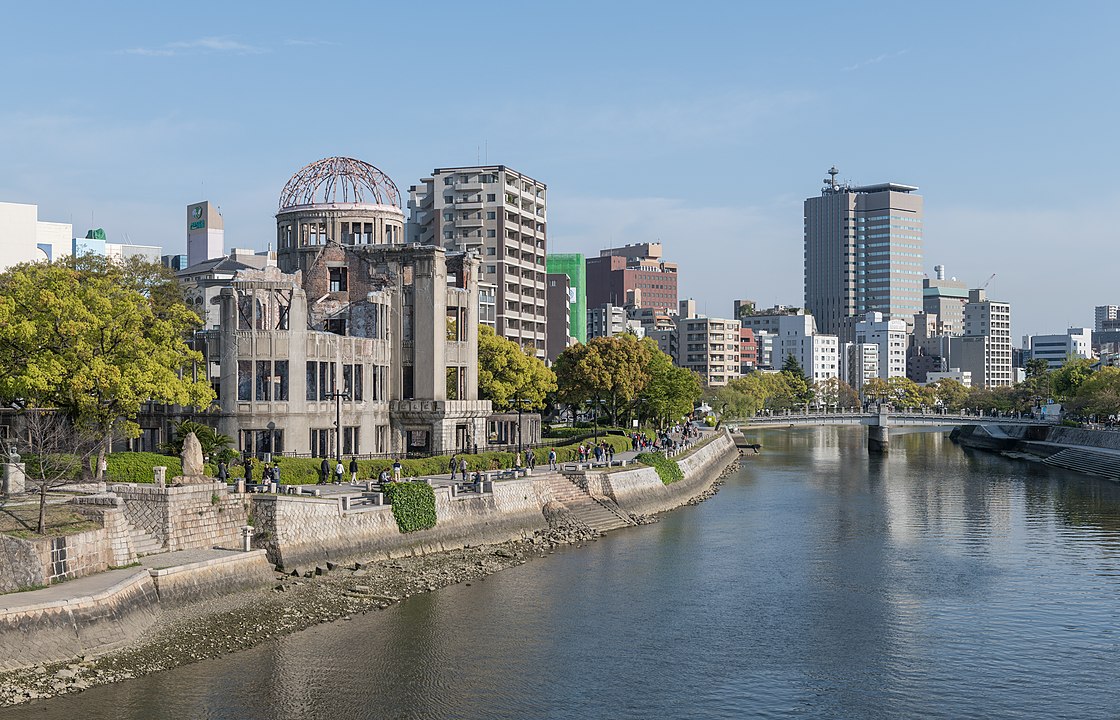
Hiroshima City is the capital of Hiroshima Prefecture and the largest city in the Chugoku Region, situated in the western part of the largest island (Honshu) in the archipelago. Hiroshima City consists of wards, or “Ku,” which are as varied as those who live in them. Some are particularly popular with expats due to their available services and conveniences, such as easy access to international schools or common expat companies.
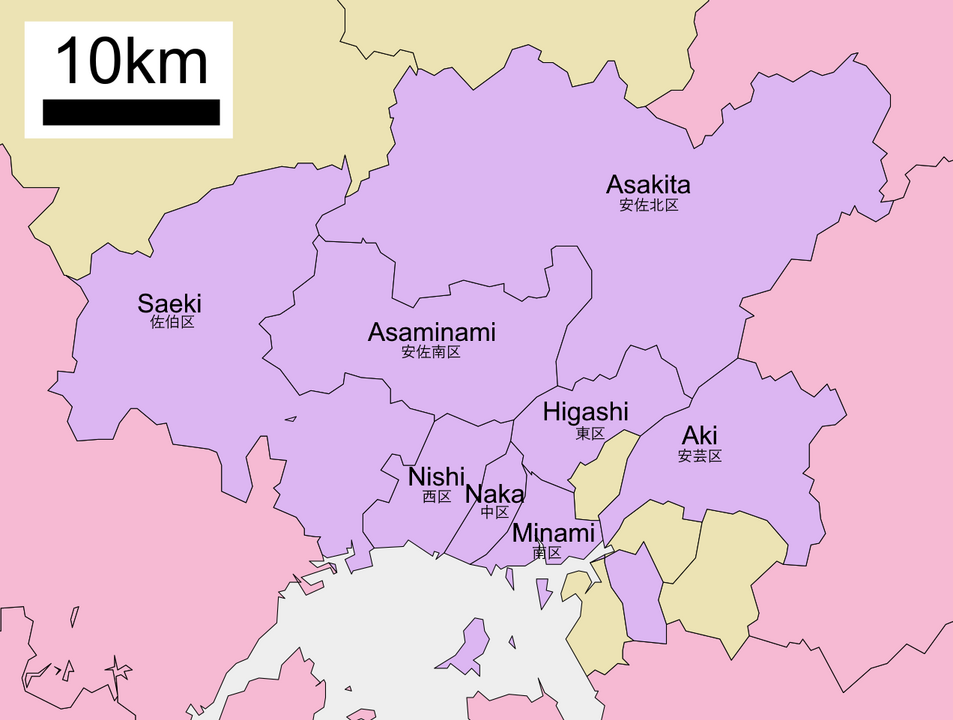
Popular Hiroshima Expat Areas
The majority of people living in city areas in Japan use the closest station’s name to refer to their neighborhood. For example, those with an address in Naka-Ku in Hiroshima would say that they lived in Hondori or the closest station to their home.
Having trouble working out which area is best suited to the type of lifestyle you would like to lead in Japan? See our comprehensive guide for information on popular expat areas in Hiroshima.
Having trouble working out which area is best suited to the type of lifestyle you would like to lead in Japan? See our comprehensive guide for information on popular expat areas in Hiroshima.
Asakita-Ku / Asaminami-Ku
The best thing about living in Asa-Kita-Ku is that you are closer to the mountains, the beautiful countryside, and the Hiroshima International School. Unfortunately, it is less convenient, and there are few transportation options to the city center. There’s a Fuji department store, small eateries, car dealers, and clinics along the main road. However, there are few JR train connections here. Asa-Kita-Ku offers outlet malls, movie theatres, and restaurants. The Midori, Gion, and Yagi residential areas have views of the mountains and rivers, JR stations, Astram stations, access to the Sanyo expressway onramp, good department stores, eateries, and outlet malls. It takes between 20-40 minutes to commute by bus, car, or monorail into the city center. Transportation: Astram Line, JR Line, Bus. Highlights: Hiking, mountain views, shopping: Gion, Midori, and outlet mall area in Yagi. Sightseeing: Transportation Museum, Asa Zoo, Big Arch Stadium (soccer).
Asaminami Ward, in northern Hiroshima, provides a suburban living environment with more green space and larger housing options. It appeals to families who prefer a quieter, more spacious lifestyle while still having access to the city center.
Housing includes larger apartments, condominiums, and detached houses, often at lower costs than central areas. The area has local schools, parks, and shopping facilities, making it practical for family life, though commuting times are oftentimes longer.
Higashi-Ku
Higashi-Ku is a mixture of city life and fun and Japanese suburban life and culture. Areas near the Shinkansen side of Hiroshima station, such as Ushita, are particularly popular. Ushita has long been popular with expats because it offers convenience and easy commutes into and out of the city. It also has a lively local culture and friendly community. Two Ushita traditional Japanese restaurants, Irakuan and Kitaoka Kaiseki, were awarded Michelin stars. Ushita has an active community that hosts the fun Hozuki festival every July and traditional festivals at the Wasedajinja Shrine. The Ushita “Big Wave” (Higashi-Ku sports facility) has an Olympic-sized pool in summer and an ice rink in winter. The Fudoin temple is located nearby, and the UshitaYama hiking trails run in the mountains behind Ushita town. Other towns further inland in Higashi-Ku may offer more housing options, but these areas are a bit farther removed from the city center and less convenient. Transportation: Astram Line, Streetcar, Bus, JR Train, Shinkansen, access to riverside cycling routes. Highlights: Good supermarkets, parks, temples, shrines, hiking, sports centers, town festivals, decent dining, shopping, and nightlife options. Near the Aeon shopping mall. Sightseeing: Fudoin temple, Peace pagoda, Toshogu shrine. International Schools: Sophia International Kindergarten (1-6). Bus pick-ups for HIS.
Minami-Ku
Minami Ward anchors Hiroshima’s transportation network, with Hiroshima Station serving as a major hub offering shinkansen access and direct rail connections across Japan. The area around the station has undergone extensive redevelopment in recent years, adding modern shopping centers, hotels, and offices that give the district a dynamic, urban feel.
Housing options range from newer high-rise apartments near the station to quieter residential neighborhoods further south. The ward is convenient for frequent travelers and commuters, offering quick access to both local and long-distance transport options.
Minami Ward provides excellent daily conveniences, with numerous supermarkets, restaurants, and local shops throughout the area. It’s also home to Costco Hiroshima, located in the Minamikaniya area, which offers a wide range of international products and bulk shopping options—popular among families and expatriates alike.
Naka-Ku
Naka Ward is Hiroshima’s downtown core, home to the Peace Memorial Park, Hondori shopping arcade, and the city’s largest concentration of restaurants, shops, and entertainment. It is the most urban part of Hiroshima, popular with singles and couples who want to live in the center of activity.
Housing consists mainly of apartments and condominiums. Units tend to be smaller and more expensive compared to suburban wards, but the convenience of being within walking distance of offices, shopping, and public transport makes Naka Ward attractive for professionals.
Nishi-Ku
Located west of central Hiroshima, Nishi Ward offers a more residential, family-oriented environment. The area includes shopping facilities, schools, and parks, with good access to both the city center and coastal areas.
Housing here is more spacious than in Naka or Minami, including larger apartments and some detached houses. Costs are generally more affordable, making Nishi popular with families looking for a balance of convenience and space.
Higashi-Hiroshima / Saijo Areas
If you are comfortable living in the countryside and won’t often need to commute to the city center, then Higashi-Hiroshima is a beautiful area that will suit your needs. There is an abundance of parks, temples, orchards, hiking trails, waterfalls, hot springs, and other natural sights to enjoy. It is near the airport and not far from Takehara, Mihara, Onomichi, and Fukuyama. It takes about 45 minutes to drive the 40km (25 miles) to Hiroshima City on the expressway and over an hour on local roads. The main town of Saijo is well known for its sake breweries and signature red tile-roofed houses next to lush green rice fields. Saijo has a population of just over 127,000, increasing since industry in this area began gaining momentum. There is a fair amount of English speakers around, thanks to the influx of international students at the local universities. Traditionally, Saijo has retained its place as one of Japan’s top sake brewing regions for hundreds of years and consistently does very well in national tasting competitions. Every October, the town fills with up to 200,000 visitors enjoying the annual sake festival. This is a fun and lively time to enjoy great sake and all the tradition surrounding it. Transportation: JR Line, Bus, Shinkansen Highlights: Sake festival, hot springs, parks, temples, historical sights, sake breweries, nearby fruit picking, and Tom’s Dairy Farm
Kure Area
Kure Kure has been a naval base since 1889 and was famous for its shipbuilding technology in the Far East before WWII. There is a lot of fascinating maritime history at the Yamato Museum. Kure has a population of over 140,000 people, including residents of the islands dotted around it. There is a pleasant city center with shops, parks, eateries, and many charming coastal towns to discover. Kure is well known for its sake (Japanese rice wine) and delicious seafood dishes. In July, the Kure fireworks festival is quite a sight to behold as bursts of light explode over cranes, ships, and submarines in the port. Although there are expressways, it takes at least an hour to get to Hiroshima City from Kure. Transportation: JR Line, Bus Highlights: Yamato museum, Submarine port, pretty beaches, and the interesting coastal towns of Kurahashi and Kamagari. Kure’s traditional Hondori shopping area is fun for sightseeing. If you are comfortable living in the countryside and won’t need to commute to the city center, then Higashi-Hiroshima is a beautiful area that will suit your needs. There is an abundance of parks, temples, orchards, hiking trails, waterfalls, hot springs, and other natural sights to enjoy.
It is near the airport and not far from Takehara, Mihara, Onomichi, and Fukuyama. It takes about 45 minutes to drive the 40km (25 miles) to Hiroshima City on the expressway and over an hour on local roads. The main town of Saijo is well known for its sake breweries and signature red tile-roofed houses next to lush green rice fields. Saijo has a population of just over 127,000, increasing since industry in this area began gaining momentum. There is a fair amount of English speakers around, thanks to the influx of international students at the local universities. Traditionally, Saijo has retained its place as one of Japan’s top sake brewing regions for hundreds of years and consistently does very well in national tasting competitions. Every October, the town fills with up to 200,000 visitors enjoying the annual sake festival. This is a fun and lively time to enjoy great sake and all the tradition surrounding it. Transportation: JR Line, Bus, Shinkansen Highlights: Sake festival, hot springs, parks, temples, historical sights, sake breweries, nearby fruit picking, and Tom’s Dairy Farm
Hatsukaichi Area
If you love exploring the mountains and countryside near Hiroshima and want to frequent Miyajima, then living in Hatsukaichi may suit you. Unfortunately, public transportation options are poor, and commuting by car is often on slow roads. It would be difficult to commute into town from this area each day, but there is access to the expressway onramp. This area is excellent for sightseeing and is not far from the neighboring Iwakuni’s Kintaikyo Bridge. Transportation: JR Line, Bus, Streetcar Highlights: Miyajima, Imose-no-Taki Falls, Arcadia Village hot spring, Megahira Ski Lodge and hot spring, Yuki hot spring, Mt. Gokurakujiyama and the Chichiyasu Dairy Farm and Water Park (in summer)
Itsukaichi Area
A popular area lies along Coindori, meaning “Coin street,” named after the mint, which is open each Spring so the public can enjoy the magnificent cherry blossoms at the facility. Itsukaichi does offer the convenience of rail, streetcar, bus, and expressway access. There are many decent restaurants, cafes, and specialty shops. Hillside residences offer great views but lack nearby shops or conveniences. Transportation: JR Line, Bus, Streetcar. Highlights: Hiking, Onmaku Sushi, Skateboard and MTB park, Honyu hot spring, Botanical Gardens, the Coin-Dori area.
Have a Question?
Contact Us!
For urgent inquiries during business hours in Japan, please call us directly on one of the telephone numbers listed on the contact page
Contact Us