

Osaka Guide
Apartment Rates in Osaka
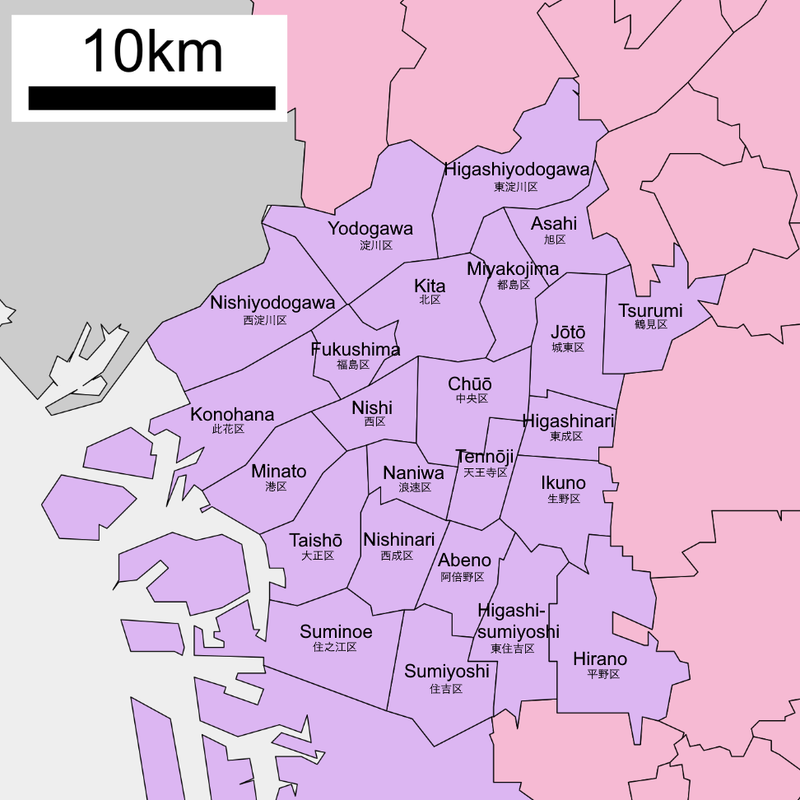
Osaka consists of 24 wards, or “Ku,” which are as varied as the people who live in them. Some are particularly popular with expats due to their available services and conveniences, such as easy access to international schools or common expat companies.
Popular Osaka Expat Areas
The majority of people living in city areas in Japan use the closest station’s name to refer to their neighborhood. For example, those with an address in Chuo-ku in Osaka would say that they lived in Namba or Shinsaibashi, the closest station to their home.
Having trouble working out which area is best suited to the type of lifestyle you would like to lead in Japan? See our guide for information on popular expat areas to live in Osaka.
Having trouble working out which area is best suited to the type of lifestyle you would like to lead in Japan? See our guide for information on popular expat areas to live in Osaka.
Umeda and Osaka Station Area
Umeda is Osaka’s central business district and one of the city’s most convenient locations for both work and daily life. The area is defined by modern high-rise buildings and excellent transport links, including JR Osaka Station, which connects directly to regional and national rail networks.
Housing here is primarily in high-rise apartment complexes, making the area most suitable for singles and couples rather than families. Serviced apartments are available, including premium options at Grand Front Osaka, which also houses international-standard facilities such as the InterContinental Hotel.
Residents benefit from exceptional amenities: Osaka-Umeda Station area and the surrounding complexes include a wide selection of restaurants, department stores, supermarkets, cinemas, and rooftop gardens. The pedestrian-friendly layout and concentration of services make Umeda one of the most practical and comfortable urban living environments in Osaka.
Shopping is abundant in the newly renovated JR Osaka Station, which is full of restaurants, shops, department stores, movie theaters, and gardens on top of the north and south gate buildings.
Fukushima Area
Located just one stop west of Osaka Station, Fukushima offers a more relaxed residential atmosphere while still providing excellent access to the city center. It is popular with young professionals and couples who want to live close to Umeda but prefer a neighborhood with a slightly quieter, more local feel.
Housing options are a mix of modern apartment buildings and smaller condominiums, generally more affordable than in Umeda. The area has gained a reputation as a dining destination, with many popular restaurants, izakaya, and cafes lining its streets. Daily conveniences such as supermarkets, gyms, and shops are all within easy walking distance.
Transportation is very convenient: Fukushima Station (JR Osaka Loop Line) and Shin-Fukushima Station (JR Tozai Line) provide quick access to Umeda, Namba, and beyond. For those commuting to Kyoto or Kobe, the connections are particularly efficient.
Nishi (Horie)
Horie, located just west of Shinsaibashi and Namba, is one of Osaka’s trendiest residential neighborhoods. Known for its boutique shopping, stylish cafés, and creative atmosphere, it attracts young professionals, designers, and couples seeking a fashionable yet livable environment. The streets are quieter than Namba or Umeda, but still within walking distance of central Osaka’s entertainment districts.
Housing in Horie consists mainly of modern apartment buildings and condominiums, often with a more boutique feel compared to the large-scale high-rises around Umeda. Rents are generally on the higher side, reflecting the area’s popularity and central location. Convenience stores, supermarkets, and fitness studios are easily accessible, making day-to-day living comfortable.
Horie also enjoys excellent train and subway connections. The area is primarily served by Yotsubashi Station on the Osaka Metro Yotsubashi Line, and Nishiohashi Station on the Nagahori Tsurumi-ryokuchi Line, providing quick access to Shinsaibashi, Namba, and Umeda within minutes. Additionally, Sakuragawa Station on the Sennichimae Line and the Hanshin Namba Line connects Horie directly to Nara and Kobe, making it convenient for both commuting and weekend trips.
Namba
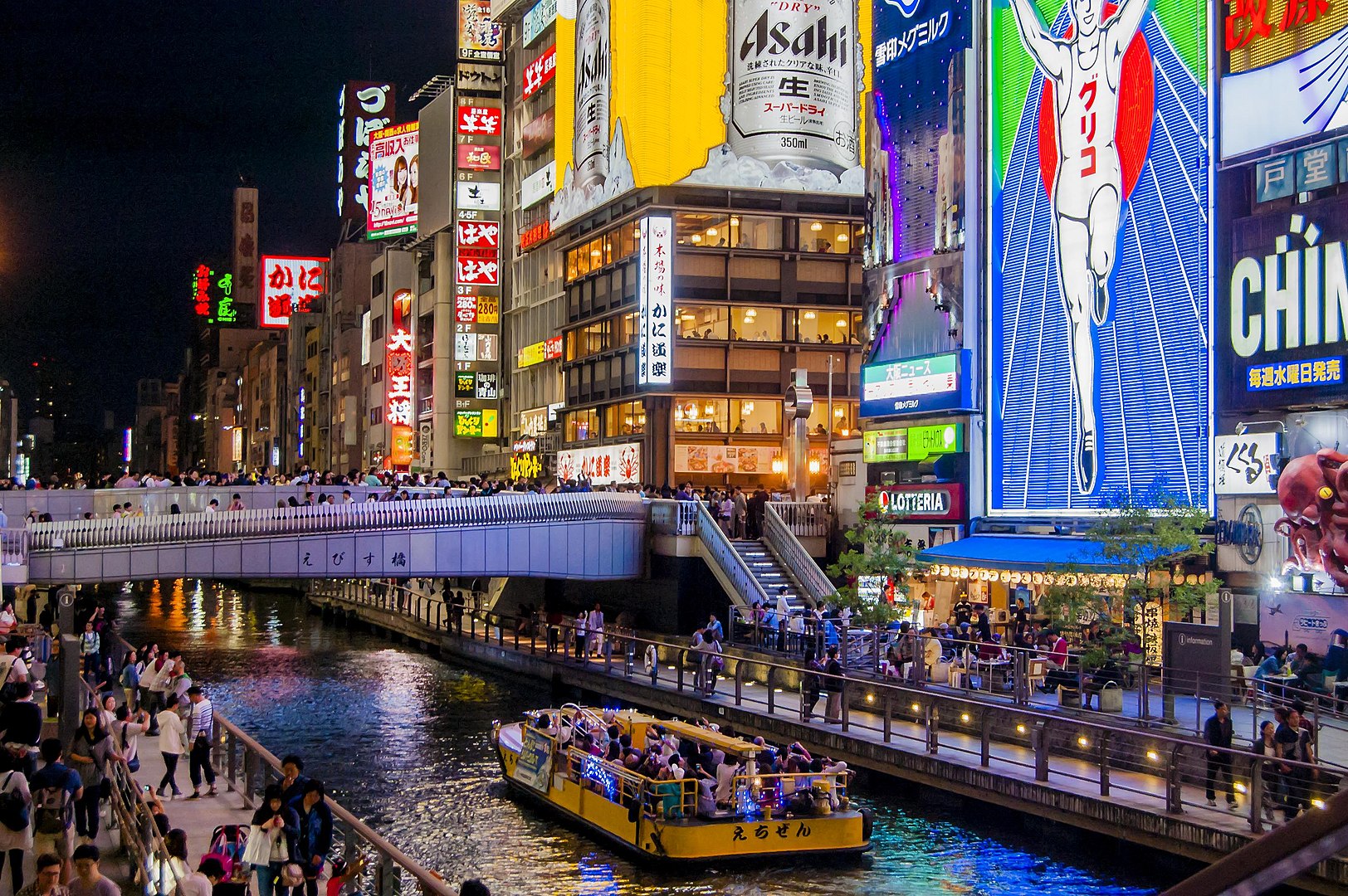
Namba is Osaka’s southern commercial and entertainment hub, known for its neon lights, shopping arcades, and vibrant nightlife. It is one of the busiest areas in the city, attracting both locals and tourists, which gives the neighborhood a lively and energetic atmosphere.
Housing in Namba is primarily in modern apartment buildings and serviced residences. While space is often limited compared to suburban areas, living here offers unparalleled convenience, with immediate access to restaurants, shopping, and entertainment. Namba Station is one of the city’s major transport hubs, providing easy connections across Osaka, Kansai Airport, and nearby cities such as Nara.
Shinsaibashi
Chuo-ku stretches from the Osaka Castle Area in the north to the Namba area in the South and encompasses Shinsaibashi, one of the city’s major nightlife districts. This area is busy and eclectic, offering an almost limitless array of dining options with every cuisine imaginable. However, the area can get a bit gritty in places (imagine a cross between LA and New York), and things tend to go late in this part of town – very late.
Tennoji
Tennoji has transformed in recent years into one of Osaka’s most modern city centers while still retaining some of its traditional character. Anchored by Abeno Harukas, Japan’s tallest skyscraper, Tennoji offers a wide selection of shopping malls, restaurants, and cultural attractions, including Shitenno-ji, Japan’s oldest Buddhist temple.
The area is very well-connected by rail, with Tennoji Station serving as a major hub for JR, subway, and Kintetsu lines, providing convenient access to Kansai Airport, Nara, and central Osaka. Housing ranges from high-rise condominiums to more moderately priced apartments, making it an appealing option for a wide range of residents.
North of Osaka Areas
If you are looking to live in a more residential area, you might consider one of the three main bedroom communities situated in the hills to the north of Osaka. Senri, Suita, and Minoh are easy commutes into town and offer more greenery and space for families to live.
Minoo City
Minoo, sometimes spelled as Minoh, is a relatively quiet part of Osaka Prefecture and the location of the highly regarded Osaka International School. It is also known for Meiji no Mori, one of Japan’s oldest national parks, which houses a large population of wild monkeys and has a picturesque waterfall.
Suita City
This small city was the site of the 1970 World EXPO, and The J-League soccer club Gamba Osaka plays at the EXPO Stadium, located on the site of the former World’s Fair. The Expo City in Suita is one of Japan’s largest multi-use complexes, featuring entertainment facilities and a large shopping mall.
Senri City
Senri is about 25 minutes from Umeda Station via rail. You can find single-family dwellings and apartments in a greener, quieter environment.
Sakai City
Located south of Osaka, Sakai is one of the region’s historic cities, known for its cultural heritage, traditional crafts, and large burial mounds (kofun). Today, it serves as a residential hub for families and professionals who want more space and a quieter environment while still being within commuting distance of central Osaka (about 20–30 minutes by train).
Housing in Sakai is more varied than in central Osaka, with a mix of larger apartments, detached houses, and townhouses. This makes it appealing to families, particularly those looking for more affordable and spacious options. Daily life is supported by shopping centers, schools, hospitals, and parks, offering a balance of convenience and community living.
Sakai offers excellent access to central Osaka and the greater Kansai area through multiple train and subway lines. The Nankai Main Line connects Sakai Station directly to Namba in around 10–15 minutes, while the JR Hanwa Line links Mikunigaoka and Sakaishi Stations to Tennoji and Osaka Station.
For air travel, Kansai International Airport (KIX) is easily reachable — about 35–40 minutes from Sakai Station via the Nankai Main Line Airport Express or by direct limousine bus services that operate from major stations and hotels within Sakai.
Have a Question?
Contact Us!
For urgent inquiries during business hours in Japan, please call us directly on one of the telephone numbers listed on the contact page
Contact Us