

Nagoya Guide
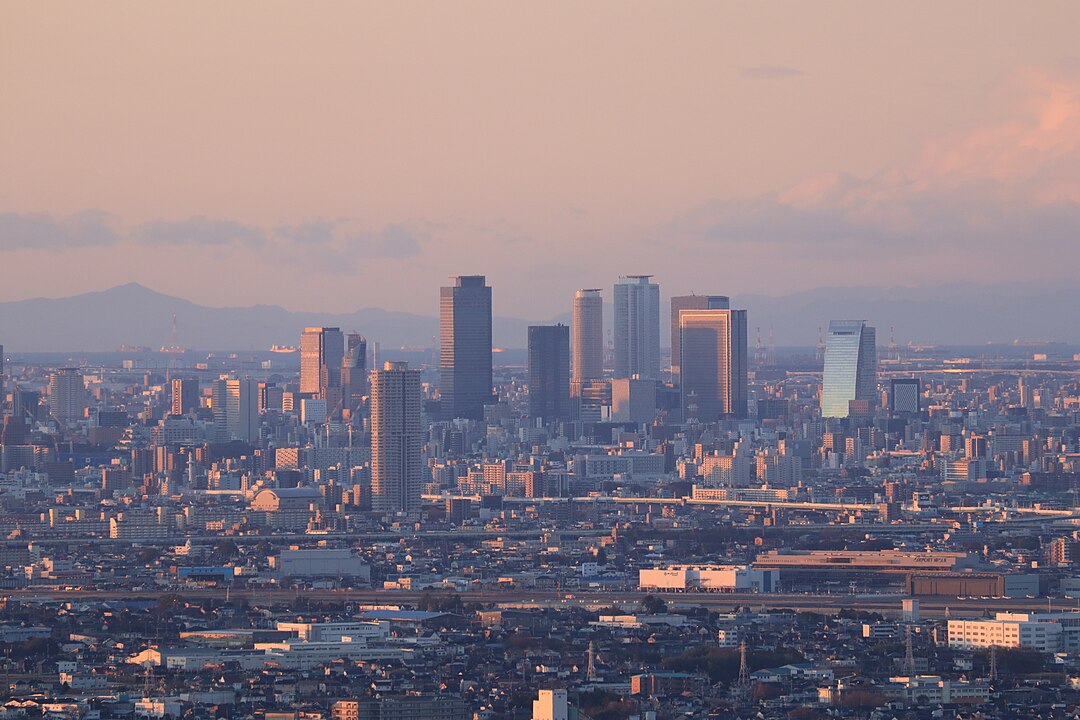
Nagoya lies at the heart of the Chubu Region of Central Japan. It is the 4th largest city in Japan, and its long history is notable as the birthplace of three historically significant feudal lords, Oda Nobunaga, Toyotomi Hideyoshi, and Tokugawa Ieyasu. You will find them and their exploits highlighted in many festivals and historical footnotes throughout the city. While many traditional industries such as ceramics and textiles still thrive, Nagoya’s economy is dominated by modern industries, including automobiles, aviation, and machine tools. It is considered the manufacturing heart of Japan. Sometimes overshadowed by Tokyo and Osaka, Nagoya is a great place to live, feeling much smaller than it actually is.
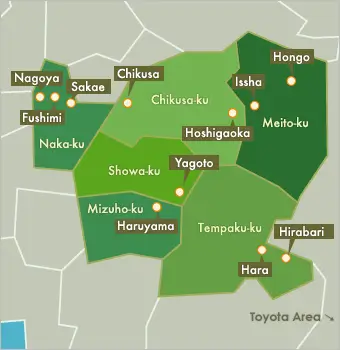
Popular Nagoya Expat Areas
Nagoya consists of 16 wards, or “Ku,” but most are not popular with expats due to a relative lack of services and convenience to international schools or common expat companies. Please note that most people living in city areas in Japan use the name of the closest station to refer to their neighborhood. For example, those with an address in Naka Ku in Nagoya would say that they lived in Sakae if that is the closest station to their home.
Having trouble working out which area is best suited to the type of lifestyle you would like to lead in Japan? See our guide for information on the popular expat areas to live in Nagoya City.
Having trouble working out which area is best suited to the type of lifestyle you would like to lead in Japan? See our guide for information on the popular expat areas to live in Nagoya City.

Issha / Hongo
Meito-ku is one of the most popular residential areas for expat families in Nagoya, especially around Issha and Hongo. Conveniently located between Nagoya International School and Toyota, it offers excellent access via the Tomei Expressway, making commutes to Toyota and Okazaki smooth and efficient.
The area is well-equipped with amenities that cater to international residents, including English-speaking physicians and pediatricians, a variety of restaurants and cafes, and several major shopping centers.
Meito-ku features many Western-style houses with gardens, offering spacious and comfortable living environments. The neighborhood is also rich in sports facilities and family-friendly parks ideal for children. Its blend of accessibility, lifestyle amenities, and residential comfort makes Meito-ku a top choice for expats living in Nagoya.

Chikusa
Chikusa is a well-connected residential area located just a short train ride from Nagoya’s central business district, making it a convenient choice for commuters and young professionals.
Surrounded by greenery and parks, Chikusa is also a favored neighborhood for families seeking a peaceful yet accessible environment.
While Western-style housing is limited, the area offers a range of Japanese-style apartments that are readily available and well-suited for both singles and families.

Hoshigaoka
Hoshigaoka is a vibrant and family-friendly neighborhood located along the Higashiyama Subway Line, offering direct access to central Nagoya. Nestled beside Higashiyama Park and Zoo, the area is surrounded by lush greenery and recreational facilities. Residents and visitors alike enjoy spending time at the botanical gardens, city library, and sports center, making it a favorite weekend destination for both locals and expats.
The neighborhood also features a variety of Western restaurants and boutique shops, which are especially popular on weekends and sunny days. Its proximity to Aichi International School makes Hoshigaoka a top choice for families with young children. While single-family homes are rare, there is a good selection of modern apartments available, offering a comfortable and convenient lifestyle in a scenic setting.

Yagoto
Yagoto is a well-established residential area located along the Tsurumai Subway Line, offering convenient access to Toyota, Nisshin, and central Nagoya City. While it’s slightly farther from Nagoya International School than Meito-ku, its excellent connectivity and abundant greenery make it a popular choice among expats.
The area is home to an international hospital with English-speaking staff, ensuring accessible healthcare for foreign residents. The main shopping center, AEON Yagoto, offers a wide range of daily necessities, groceries, and household goods. Yagoto also features universities, contributing to a lively and diverse atmosphere.
Yagoto offers a broad selection of restaurants catering to various tastes and budgets, along with private gyms and health centers for those focused on wellness. The area is especially favored by Japanese executives, and while most housing is Japanese in style, the properties are notably spacious and beautifully designed.

Haruyama
Mizuho-ku offers a more immersive Japanese living experience, making it a popular choice for residents with basic Japanese language skills who are looking to engage more deeply with local culture. While facilities catering specifically to foreigners are limited, the area compensates with its peaceful atmosphere, affordability, and authentic lifestyle.
One of Haruyama’s key attractions is its availability of spacious Western-style homes at more reasonable rental prices compared to central Nagoya. These properties often feature larger layouts and quiet surroundings, ideal for families or individuals seeking comfort without the premium city-center cost. Haruyama is well-suited for those who value local community living, green spaces, and a slower pace of life.

Hara / Hirabari
Located on the outskirts of Nagoya, Tempaku-ku offers excellent train access to Toyota, making it an increasingly attractive option for commuters. While the area previously had a limited foreign presence and fewer international amenities, Hara and Hirabari have seen a rise in popularity due to their more affordable housing options compared to central Nagoya.
The area is also home to the Ueda International Preschool, which enjoys a strong reputation in the foreign community for its quality education and welcoming environment.
Housing in Hara and Hirabari primarily consists of smaller apartments, though the affordability and growing amenities make it a practical and increasingly favored choice for expats seeking a quieter, suburban lifestyle with convenient city access.

Fushimi
Often compared to Roppongi in Tokyo, Fushimi is one of Nagoya’s most vibrant urban districts, especially popular among those seeking nightlife and entertainment. The area is home to a wide array of Western-style restaurants, bars, and lounges, making it a go-to destination for both locals and expats after hours.
Fushimi is also a key transportation hub where the Higashiyama and Tsurumai Subway Lines intersect—making it a convenient transit point for commuters heading to Toyota and other parts of the city. The presence of the Hilton Nagoya Hotel adds to its appeal, especially for business travelers and visitors from out of town.
The convenience, energy, and accessibility of the area make it a desirable choice for professionals and urban lifestyle seekers.
Sakae
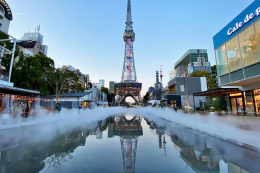
Sakae is the vibrant heart of Nagoya’s central business and entertainment district, offering a dynamic mix of nightlife, shopping, dining, art, and culture. Located near several expansive parks, this area provides a welcoming environment for families.
The area is home to iconic department stores with a modernized shopping experience. Art lovers can enjoy nearby attractions such as the Nagoya City Art Museum and Aichi Arts Center.
While housing options in Sakae are limited, it remains one of the most desirable areas to live in Nagoya for those who prioritize urban convenience and lifestyle.

Nagoya (Meieki)
The area around Nagoya station is host to many offices, restaurants, and popular places to shop, including the Takashimaya department store and Tokyu Hands. Domestic travel is made easy here as you can jump on the bullet train from Nagoya station and reach almost all areas of the country in just a few hours.
The Nagoya International Center’s friendly and multilingual staff provides various useful services to the foreign community. Housing options are relatively limited and not as spacious as in other areas; however, there are many new developments taking place, which will undoubtedly see an increase in the expat community in the not-so-distant future.
Read our Guide to Naka Ku
Have a Question?
Contact Us!
For urgent inquiries during business hours in Japan, please call us directly on one of the telephone numbers listed on the contact page
Contact Us